Watercolor Wildflower Bouquet Clipart Guide
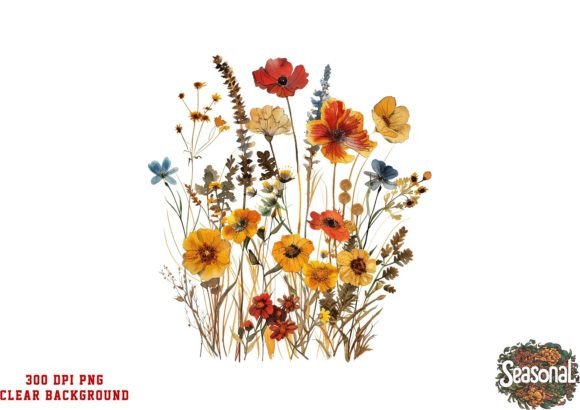
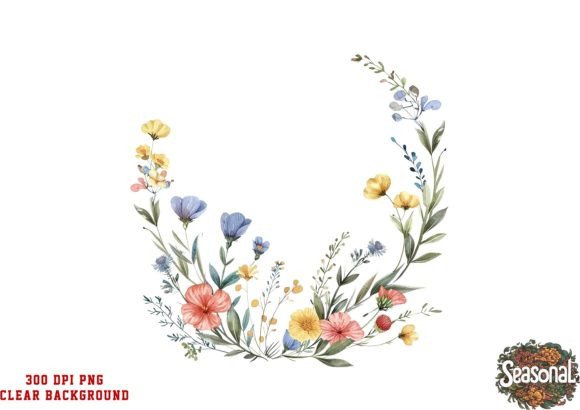
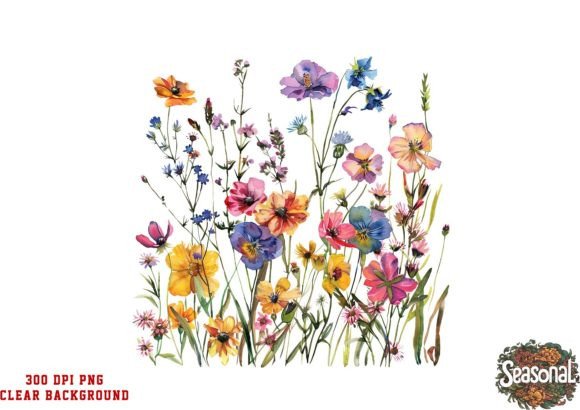
There is a distinct charm to botanical illustrations that digital vectors often struggle to replicate. Watercolor wildflower bouquet clipart bridges the gap between traditional artistry and modern digital convenience, offering creators the organic texture of hand-painted florals without the mess of brushes and pigments. At its core, this type of digital asset consists of high-resolution images featuring meadow flowers, greenery, and grasses rendered in a soft, translucent watercolor style. Unlike rigid stock photography or perfectly symmetrical vector graphics, these illustrations retain the imperfections, color bleeds, and paper textures that make watercolor painting so beloved.
For designers, crafters, and small business owners, these assets serve as versatile building blocks. They are typically provided as PNG files with transparent backgrounds, allowing you to layer them seamlessly over colored cards, website headers, or fabric patterns. The appeal lies in their duality; they feel artisanal and bespoke, yet they are instantly accessible for digital workflows. Whether you are designing a wedding suite or creating social media templates for a skincare brand, wildflower bouquets evoke feelings of nostalgia, freshness, and natural beauty that resonate deeply with audiences seeking authenticity.
Why Creators Choose Botanical Illustrations
The decision to use specific floral artwork often stems from a need to convey emotion rather than just information. Wildflowers, by definition, suggest untamed beauty and freedom. This symbolism makes watercolor wildflower bouquet clipart particularly effective for projects centered around growth, celebration, or wellness. Beginners and professionals alike gravitate toward these assets because they solve a common design problem: how to add warmth and human touch to a layout quickly.
Consider the difference between a generic rose and a bundle of poppies, daisies, and lavender. The latter tells a story of seasons and landscapes. For entrepreneurs selling eco-friendly products or handmade goods, this visual storytelling aligns perfectly with brand values. You aren't just decorating a page; you are signaling to your customer that you value natural processes and organic aesthetics. Furthermore, because watercolor is inherently layered and textured, it adds depth to flat digital designs, preventing them from looking sterile or overly corporate.
Practical Applications Across Industries
The versatility of these floral elements extends far beyond simple decoration. Understanding where they perform best can help you maximize their impact in both personal and commercial projects.
- Wedding and Event Stationery: This is perhaps the most classic use case. Save-the-dates, invitations, and menu cards benefit from the romantic, airy quality of wildflowers. Unlike formal roses, wildflowers suit rustic, boho, or garden-themed events perfectly.
- Product Packaging and Labeling: Small businesses producing candles, soaps, jams, or teas often use bouquet clipart as the central focal point on labels. The irregular edges of watercolor blooms soften the geometric constraints of packaging design.
- Digital Content Creation: Bloggers and social media managers use these assets to create cohesive Pinterest pins, Instagram story backgrounds, and YouTube thumbnails. The transparency allows for easy integration into Canva or Photoshop templates without complex masking.
- Educational Materials: Teachers and homeschoolers utilize botanical illustrations for nature study units, biology worksheets, and classroom decor. The artistic representation helps engage students visually while maintaining scientific accuracy regarding flower anatomy.
- Textile and Surface Pattern Design: Surface designers frequently incorporate individual bouquet elements into repeating patterns for fabric printing, wrapping paper, or wallpaper. The scattered nature of wildflowers translates beautifully into seamless repeats.
Selecting High-Quality Floral Assets
Not all clipart is created equal, and the quality of your source material dictates the quality of your final product. When browsing for watercolor wildflower bouquet clipart, technical specifications matter just as much as aesthetic preference. Resolution is the first checkpoint. Always look for files that are at least 300 DPI (dots per inch) at the intended print size. A low-resolution image might look acceptable on a screen but will appear pixelated or blurry when printed on cardstock or fabric.
Transparency is another critical factor. Ensure the files are true PNGs with clean, anti-aliased edges. Poorly cut clipart often has white halos or jagged pixels around the petals, which ruins the illusion of painted art when placed on dark backgrounds. Additionally, pay attention to color consistency. If you plan to use multiple bouquets together, verify they come from the same collection or artist. Mixing different watercolor styles—one with heavy saturation and another with pale washes—can make a design look disjointed.
Navigating Licensing and Commercial Use
One of the most important considerations before downloading or purchasing any digital art is understanding the license. Intellectual property rights protect artists, and respecting these terms is essential for ethical and legal creation. Licenses generally fall into two categories: personal and commercial.
- Personal Use Only: You can use the clipart for your own scrapbooking, home decor, or gifts, but you cannot sell anything made with it or use it to promote a business.
- Commercial License: This permits you to use the artwork in products for sale or client work. However, read the fine print carefully. Some licenses require the artwork to be part of a new, flattened design (like a printed invitation) rather than resold as standalone digital stickers.
- Extended Commercial License: Required for high-volume sales, print-on-demand services, or large-scale manufacturing. Standard commercial licenses often have caps on the number of units sold.
Always keep a record of your license agreement. If you are working with clients, clarify whether the cost of the clipart license is included in your fee or if they need to purchase it separately. This transparency prevents future legal headaches and supports the sustainability of the digital art community.
Tips for Integrating Watercolor into Modern Design
Using watercolor wildflower bouquet clipart effectively requires a thoughtful approach to composition. Because watercolor is visually busy with texture and color variation, it pairs best with clean, minimalist typography. Serif fonts with elegant serifs or simple sans-serifs provide necessary contrast, ensuring the text remains legible against the intricate floral details. Avoid using overly decorative script fonts directly overlapping complex flower clusters, as this creates visual clutter.
Color management also plays a significant role. While you cannot easily recolor raster watercolor art without losing quality, you can adjust opacity or apply subtle blending modes in your design software. Lowering the opacity of a bouquet can turn it into a subtle watermark or background element, allowing text to take center stage. Conversely, increasing contrast and saturation can make the flowers pop for packaging design where shelf visibility is key.
Finally, consider the negative space. Wildflower bouquets are often asymmetrical and sprawling. Embrace this organic shape rather than forcing it into a box. Let the stems extend off the edge of the canvas or wrap around text. This dynamic placement mimics the natural growth habits of the plants themselves, reinforcing the authentic, handcrafted feel that makes watercolor clipart such a valuable resource for today’s creators. By treating these digital assets with the same respect as traditional media, you elevate your work from simple graphic design to genuine visual artistry.