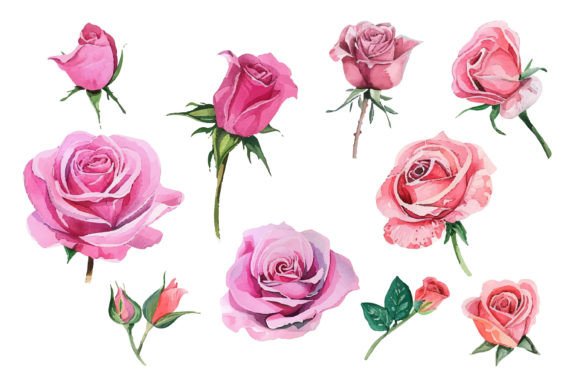
Understanding the Watercolor Pink Rose Flower Bouquet: Art, Symbolism, and Modern Application
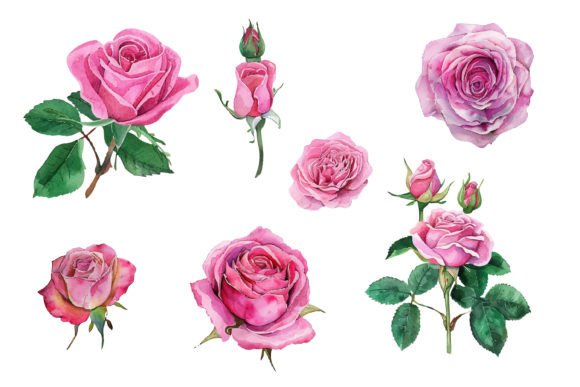
In the vast landscape of floral aesthetics and botanical art, few subjects capture the imagination quite like the watercolor pink rose flower bouquet. This specific artistic motif bridges the gap between traditional horticulture and expressive fine art, creating a visual language that speaks to romance, softness, and organic beauty. For general readers, enthusiasts, and professionals alike, understanding this topic requires looking beyond the surface level of "pretty flowers." It involves exploring the technical nuances of watercolor painting, the deep-seated symbolism of pink roses, and how this imagery functions in our modern digital and physical environments.
The Intersection of Medium and Subject
To truly appreciate a watercolor pink rose flower bouquet, one must first understand why these two elements are so frequently paired. Watercolor is a medium defined by its transparency, fluidity, and unpredictability. Unlike opaque acrylics or oils, watercolor relies on the white of the paper to provide luminosity. This characteristic makes it uniquely suited for depicting the delicate, translucent petals of a rose.
Pink roses, specifically, possess a complex color gradient that ranges from pale blush to deep magenta. In watercolor, achieving this depth without muddying the colors is a technical challenge that defines the quality of the piece. Artists often use techniques such as wet-on-wet to create soft, bleeding edges that mimic the natural ruffle of a petal, or glazing to build up layers of transparent pink pigment. The result is an image that feels alive and breathing, rather than static and photographic.
Why Pink? Decoding the Color Psychology
While red roses universally signify passionate love, pink roses occupy a more nuanced space in color psychology and floral symbolism. Understanding this distinction is vital for anyone selecting art for a specific purpose or occasion.
- Light Pink: Often associated with grace, gentleness, and admiration. In art, light pink washes suggest innocence and new beginnings.
- Medium Pink: Represents happiness and gratitude. This shade is versatile and works well in celebratory contexts.
- Deep Pink: Signifies appreciation and recognition. Artistically, deeper pinks provide necessary contrast and anchor the composition.
When rendered in watercolor, these symbolic meanings are amplified by the medium’s ethereal quality. A watercolor pink rose bouquet does not just represent a flower; it represents a feeling of tenderness that stiffer mediums struggle to convey.
Practical Relevance in Modern Life and Business
The utility of the watercolor pink rose flower bouquet extends far beyond gallery walls. In today’s visual-first economy, this imagery serves functional roles across multiple industries. Recognizing these applications helps explain why this specific aesthetic remains trending year after year.
Wedding and Event Stationery
The wedding industry is perhaps the most significant consumer of this aesthetic. Modern couples often seek a balance between vintage romance and contemporary minimalism. Watercolor florals offer exactly this. Unlike rigid vector graphics or hyper-realistic photography, watercolor bouquets feel bespoke and handcrafted. They appear on save-the-dates, menu cards, and seating charts, setting a tone of elegant warmth. The organic imperfections of the paint strokes reassure viewers of human touch in an increasingly automated world.
Branding and Packaging Design
In the beauty, wellness, and boutique retail sectors, packaging design relies heavily on emotional connection. A watercolor pink rose flower bouquet signals natural ingredients, luxury, and femininity without being overly aggressive. Brands utilize this imagery to communicate product benefits visually before a customer ever reads the label. For example, a skincare line using this art style implies gentleness and botanical purity. However, businesses must be careful to avoid clichés; successful brands commission original artwork rather than relying on overused stock assets to maintain authenticity and adhere to E-E-A-T principles in their marketing.
Digital Content and Social Media
In the realm of digital content creation, backgrounds and overlays featuring watercolor roses serve as powerful engagement tools. They soften the harshness of screens and add texture to flat digital layouts. Bloggers, influencers, and educators use these elements to make text-heavy content more digestible and visually appealing. The key here is moderation; the art should support the content, not distract from it.
Common Misunderstandings and Clarifications
Despite its popularity, there are several misconceptions surrounding watercolor floral art that can lead to poor purchasing decisions or unrealistic expectations for aspiring artists.
Misconception 1: Watercolor is "Easier" Than Other Mediums
Many beginners assume that because watercolor looks soft and flowing, it is simple to execute. In reality, painting a convincing pink rose bouquet is unforgiving. You cannot easily cover mistakes. The artist must plan negative space and pigment saturation meticulously. When evaluating art or hiring an illustrator, understand that high-quality watercolor work commands a premium because of the skill floor involved.
Misconception 2: All Floral Art is Generic
There is an assumption that all rose paintings are interchangeable. However, botanical accuracy matters. A true watercolor pink rose flower bouquet should reflect the specific anatomy of rose varieties—whether they are cabbage roses, tea roses, or garden roses. Generic, anatomically incorrect flowers lack the authority and resonance of studied botanical illustration. For educational or professional botanical contexts, accuracy is paramount.
Misconception 3: Digital Reproductions Lack Value
Some purists argue that digitized watercolor loses its soul. While nothing replaces an original painting, modern high-resolution scanning preserves the texture of the paper and the bloom of the pigment. Digitization allows this art to be accessible and scalable for everyday use. The value lies in the application and the source, not solely in the physical possession of the paper.
Cultivating Appreciation: How to Select Quality Work
Whether you are buying art for your home, sourcing designs for a business, or learning to paint yourself, knowing what to look for ensures better outcomes. Here is a structured approach to evaluating watercolor pink rose bouquets:
- Assess Color Transparency: High-quality work maintains luminosity. If the pinks look chalky or opaque, the artist may have overworked the paper or used inferior pigments.
- Check Composition Balance: A bouquet should feel arranged, not scattered. Look for intentional grouping, varying sizes, and directional flow that guides the eye through the piece.
- Evaluate Edge Control: Great watercolorists control where water stops. Look for a mix of soft, lost edges (where petal meets petal) and hard, crisp edges (where definition is needed). Uniform edges indicate a lack of mastery.
- Verify Originality: In commercial contexts, ensure the artwork is licensed properly or created originally. Reverse image searches can help verify that a design isn't stolen AI generation or unlicensed stock, which protects your brand integrity.
The Educational and Therapeutic Value
Beyond commerce and decoration, the watercolor pink rose flower bouquet holds significance in education and mental health. Painting florals is a foundational exercise in art education, teaching students about color mixing, water control, and observation. The repetitive, mindful nature of painting petals has been shown to reduce stress and improve focus. For many, engaging with this subject is not about producing a masterpiece but about the meditative process of creation itself.
In therapeutic settings, the softness of the subject matter provides a safe entry point for expression. Unlike abstract or dark themes, flowers are universally non-threatening and positive. This makes watercolor rose painting an excellent tool for art therapy sessions focused on healing, self-care, and emotional regulation.
Conclusion: More Than Just Decoration
The watercolor pink rose flower bouquet is a multifaceted topic that encompasses technical artistry, cultural symbolism, commercial utility, and personal well-being. It is a testament to how traditional art forms adapt and remain relevant in a fast-paced, technology-driven world. By understanding the mechanics of the medium, the psychology of the color, and the practical applications across various fields, we move beyond passive consumption to active appreciation.
Whether you are a designer seeking the perfect visual metaphor for gentleness, a bride curating your wedding aesthetic, or an individual seeking a creative outlet, this enduring motif offers depth and versatility. As we continue to navigate an increasingly digital existence, the hand-painted, imperfect, and luminous nature of watercolor roses reminds us of the enduring value of organic beauty and human craftsmanship. Embracing this understanding allows us to utilize this beautiful imagery with intention, respect, and greater effectiveness in our daily lives and professional endeavors.