Rustic Wooden Texture: Practical Design Applications
In an era dominated by sleek minimalism and high-gloss digital interfaces, the raw authenticity of a rustic wooden texture offers a necessary counterbalance. For designers, marketers, and content creators, this aesthetic is far more than a nostalgic nod to cabin life; it is a strategic visual tool that communicates warmth, stability, and organic quality. Whether you are designing a physical product package, building a brand identity for an artisanal business, or creating digital assets for a website, understanding the nuance of weathered wood can significantly elevate the perceived value of your work.
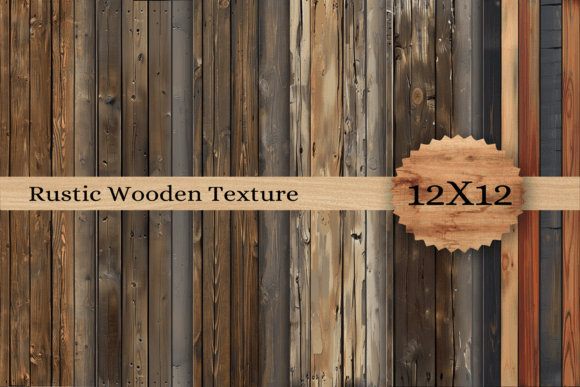
The appeal lies in its imperfection. Unlike vector graphics or solid colors, a genuine rustic wooden texture carries a history. Knots, grain variations, saw marks, and discoloration tell a story of time and craftsmanship. When applied correctly, these elements trigger a psychological response associated with reliability and natural comfort. However, leveraging this material effectively requires moving beyond generic stock photos and understanding how texture influences user experience and brand perception across different mediums.
Defining Characteristics and Visual Weight
To use rustic wooden texture professionally, one must first distinguish between true rustic aesthetics and low-quality imitation. High-quality textures possess specific attributes that make them versatile design elements rather than distracting backgrounds.
- Grain Integrity: Authentic textures show continuous grain patterns that flow logically. Digital overlays often fail here, displaying repetitive tiling or unnatural breaks that the human eye detects subconsciously as "fake."
- Tonal Variation: Effective rustic wood is rarely monochromatic. It features subtle shifts in hue caused by oxidation, staining, or sun exposure. These micro-variations add depth to flat designs and prevent large areas from looking stagnant.
- Tactile Suggestion: Even on a screen, good texture implies touch. Deep grooves, raised grain, and rough-hewn surfaces create visual shadows that suggest three-dimensionality, making digital experiences feel more tangible.
- Contextual Weathering: The type of wear matters. Barn wood has silver-grey patina and nail holes; reclaimed oak shows rich amber tones and stress cracks; driftwood appears bleached and smooth. Selecting the wrong type creates cognitive dissonance between the image and the message.
Digital Implementation and User Experience
For web designers and UI/UX professionals, integrating rustic wooden texture presents unique challenges regarding performance and readability. The goal is to evoke atmosphere without sacrificing usability. Heavy, high-contrast wood grains can compete with typography, reducing legibility and increasing cognitive load for users scanning for information.
A practical approach involves using texture as a supporting layer rather than a dominant force. Consider applying a dark or light overlay with 60-80% opacity to mute the grain while retaining the organic feel. This ensures text remains crisp and accessible. Alternatively, use textured elements selectively—such as in hero sections, card backgrounds, or footer areas—to create visual hierarchy without overwhelming the entire viewport.
Performance optimization is equally critical. High-resolution wood textures can bloat page load times. Modern workflows should utilize next-generation formats like WebP or AVIF, which maintain intricate grain details at significantly lower file sizes. Additionally, CSS techniques like backdrop-filter can simulate depth over video or dynamic content without requiring massive image assets, keeping sites fast and responsive.
Branding and Commercial Identity
Entrepreneurs and marketers often turn to rustic wooden texture to signal specific brand values. It is particularly effective for industries where provenance, sustainability, and handcrafted quality are selling points. Coffee roasters, craft breweries, sustainable fashion labels, and farm-to-table restaurants utilize these textures to bridge the gap between digital presence and physical product reality.
However, authenticity is paramount. Consumers are increasingly adept at spotting greenwashing or manufactured heritage. If your brand uses rustic wood visuals, ensure they align with your actual operations. A tech startup using distressed barn wood might confuse users unless there is a clear narrative connection. Conversely, a furniture maker showcasing real workshop scraps in their marketing materials reinforces trust and expertise. The texture should serve as visual proof of your brand’s story, not just a decorative afterthought.
Educational and Creative Environments
Beyond commerce, rustic textures play a functional role in education and creative spaces. Teachers and instructional designers have found that organic backgrounds can reduce the sterility of e-learning platforms. While stark white backgrounds are standard for focus, they can sometimes induce fatigue or anxiety in prolonged study sessions. Subtle wood textures introduce biophilic design principles into digital classrooms, potentially lowering stress and creating a more welcoming learning environment.
For photographers and videographers, physical rustic wooden textures remain indispensable props. They provide neutral yet interesting bases for product photography that do not reflect unwanted color casts onto subjects. In video production, acoustic panels made from reclaimed wood serve dual purposes: managing sound reflection while adding visual character to studio backdrops. Creators should invest in sourcing real materials when possible, as the interaction of natural light with physical grain produces results that digital filters struggle to replicate convincingly.
Selection Criteria and Best Practices
When evaluating resources for your projects, apply a critical lens to avoid common pitfalls. Not all wood textures are created equal, and poor choices can undermine professional credibility.
- Resolution and Scaling: Ensure source files are high enough resolution for your intended output. Upscaling small textures introduces blur and artifacting that destroys the illusion of realism. For print, aim for 300 DPI at final size; for digital, verify sharpness on retina displays.
- Licensing Clarity: Understand usage rights thoroughly. Some "free" texture packs restrict commercial use or require attribution. For client work, always secure proper commercial licenses to avoid legal complications down the line.
- Color Consistency: Wood tones vary wildly. If combining multiple textures across a project, color-grade them to share a common temperature and saturation level. Disjointed wood tones look haphazard and unprofessional.
- Cultural Sensitivity: Be mindful of context. Certain types of reclaimed wood carry historical weight or regional associations. Research the origin of materials to ensure they align respectfully with your audience and messaging.
Ultimately, rustic wooden texture succeeds when it serves function over mere decoration. It should enhance communication, support brand narratives, and improve environmental comfort. By approaching this material with technical precision and strategic intent, professionals across disciplines can harness its timeless appeal to create work that feels both grounded and genuinely engaging. The key is restraint and relevance; let the texture breathe, give it purpose, and always prioritize the end user's experience over aesthetic indulgence.