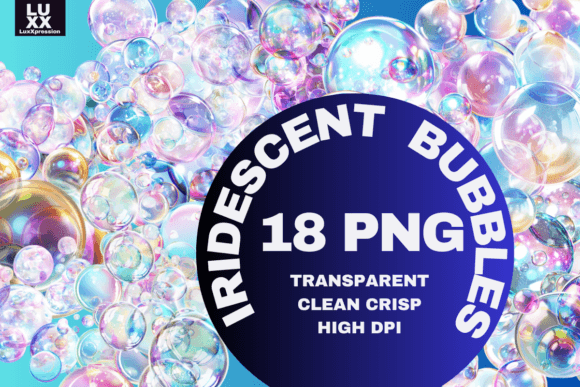
The Science and Art of Iridescent Bubbles: Elevating Visual Experiences
There is a fleeting moment when a soap film catches the light just right, transforming a simple sphere of water into a swirling canvas of magenta, cyan, and gold. This phenomenon, known as thin-film interference, is more than just a childhood pastime; it is a complex interplay of physics and aesthetics that has captured the imagination of artists, scientists, and event designers alike. When we talk about iridescent bubbles in a modern context, we are rarely discussing ordinary dish soap and tap water. Instead, we are exploring specialized formulations, artistic mediums, and sensory tools designed to maximize color saturation, longevity, and visual impact.
Understanding what makes these bubbles shimmer requires looking beyond the surface. The iridescence occurs because light waves reflect off both the outer and inner surfaces of the soap film. As the film thins due to gravity and evaporation, the distance between these surfaces changes, altering which wavelengths of light interfere constructively or destructively. For professionals and enthusiasts seeking consistent results, mastering this balance between thickness and stability is the key to unlocking vibrant, long-lasting displays.
Formulation Matters: Beyond Dish Soap
The most common misconception about creating high-quality iridescent bubbles is that any soapy water will suffice. While basic detergents create foam, they lack the structural integrity required for sustained iridescence. Professional-grade solutions rely on specific chemical architectures to slow down evaporation and increase elasticity.
- Polymer Additives: Ingredients like polyethylene oxide (PEO) or guar gum act as long-chain molecules that entangle within the solution. This creates a "net" that holds water molecules together, allowing the bubble to stretch thinner without popping immediately.
- Humectants: Glycerin and corn syrup are traditional humectants that attract moisture from the air. In arid climates or indoor environments with low humidity, these components are non-negotiable for maintaining the film thickness necessary for color generation.
- pH Balance: The alkalinity of the solution affects how the surfactant molecules align at the interface. A properly balanced pH ensures that the surfactant heads and tails orient correctly, creating a uniform film rather than a patchy, weak membrane.
- Water Purity: Minerals in hard water can bind with surfactants, creating scum that disrupts the smooth surface needed for clear interference patterns. Distilled or deionized water is often the baseline for premium iridescent bubble solutions.
When selecting a product or mixing your own batch, prioritize recipes that explicitly mention these stabilizing agents. The difference in optical clarity between a generic mixture and a formulated solution is immediately apparent to the naked eye.
Applications in Modern Creative Workflows
Iridescent bubbles have transitioned from backyard play to sophisticated creative assets. Their unique optical properties make them invaluable across several industries where standard CGI or practical effects fall short.
Photography and Videography
In macro photography, the swirling colors of iridescent bubbles serve as dynamic, organic backgrounds that cannot be replicated digitally with perfect authenticity. Photographers use specialized wands to create clusters of varying sizes, utilizing backlighting to enhance the contrast of the interference colors. Because the colors shift based on viewing angle and film thickness, every frame captures a unique state of entropy. Videographers also utilize slow-motion capture to study the fluid dynamics of the film drainage, turning a split-second pop into a mesmerizing sequence of abstract art.
Event Design and Immersive Installations
Modern event production values experiential elements over static decoration. Iridescent bubbles offer a tactile, interactive component that engages guests of all ages. However, event planners must consider the logistics of scale. Machine-generated bubbles require solutions optimized for high-volume output without clogging pumps. Furthermore, the lighting design must be intentional; without direct or angled light sources, the iridescence remains dormant. Successful installations pair bubble machines with LED uplighting or spotlights to ensure the prismatic effect is visible even in dimly lit venues.
Sensory Regulation and Therapy
Beyond aesthetics, the predictable yet ever-changing nature of iridescent bubbles serves a functional purpose in therapeutic settings. The visual tracking required to follow a floating bubble helps develop oculomotor skills in children. For neurodivergent individuals or those managing anxiety, the gentle, rhythmic movement and soft color transitions provide a grounding focal point. Unlike digital screens, which can be overstimulating, the analog nature of soap films offers a calming, low-tech sensory input that integrates well into occupational therapy routines.
Environmental Factors and Performance Optimization
Even the best iridescent bubble solution will fail if environmental conditions are ignored. Practical success depends on adapting your approach to the surrounding atmosphere.
- Humidity Control: Ideal relative humidity for bubble performance sits between 60% and 80%. Below 50%, evaporation outpaces the film's ability to maintain structural color. If working indoors during winter, using a humidifier near your workspace can drastically extend bubble life.
- Airflow Management: Wind is the enemy of longevity but the friend of quantity. For giant iridescent bubbles, still air is preferred to allow the film to settle and display full-spectrum colors. For mass quantities, gentle fans help disperse bubbles, though strong drafts will shear the film before colors fully develop.
- Temperature Considerations: Cold solutions tend to be more viscous, which can actually benefit giant bubble creation by slowing drainage. However, freezing temperatures will destroy the emulsion. Store solutions at room temperature and allow them to acclimate before use.
- Surface Cleanliness: Dust and oils are catastrophic to bubble films. Always clean wands, hoops, and machine reservoirs thoroughly. Even fingerprint oil on a wand can create a weak point where the bubble prematurely ruptures.
Safety and Surface Compatibility
While generally safe, iridescent bubble solutions present practical considerations for indoor and outdoor use. The polymers and surfactants that create beautiful colors also create slippery residues. On hardwood floors, tile, or polished concrete, spilled solution becomes a significant slip hazard. Using absorbent mats or restricting bubble activities to carpeted or grassy areas mitigates this risk.
Additionally, some concentrated formulas may leave sticky residues on fabrics or delicate surfaces. Always test a small amount of solution on an inconspicuous area before full-scale deployment. For events involving food or sensitive equipment, opt for "residue-free" or "dry-bubble" formulations specifically engineered to evaporate completely without leaving surfactant deposits. Reading safety data sheets (SDS) is recommended for commercial users to understand proper handling, storage, and cleanup protocols.
Choosing the Right Tools for the Effect
The tool you use dictates the type of iridescence you achieve. Small, rigid wands produce tight spheres with rapid color cycling due to fast drainage. Large cotton-rope wands create massive cylinders or spheres where the film drains slowly, revealing broad bands of single colors that shift gradually over time. For machine users, the nozzle size and fan speed determine bubble diameter and density.
Experimentation is essential. A wand that produces stunning iridescent bubbles in 70% humidity might only yield clear, fragile films in dry conditions. Building a toolkit with various wand sizes, materials, and solution types allows you to adapt to real-time variables. Documenting your mix ratios and environmental conditions helps build a personal knowledge base, turning ephemeral beauty into a repeatable craft.
Ultimately, working with iridescent bubbles is an exercise in managing impermanence. The very physics that create their beauty also guarantee their disappearance. By respecting the science behind the shimmer and preparing thoughtfully for environmental variables, you can harness this delicate medium to create moments of genuine wonder, whether for a camera lens, a crowded venue, or a quiet moment of observation.