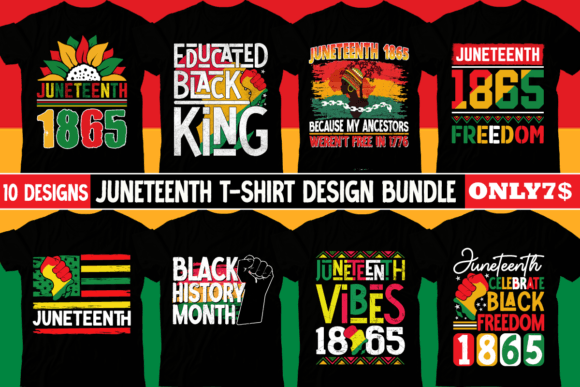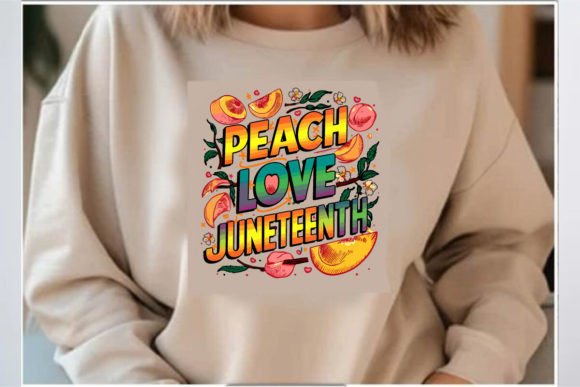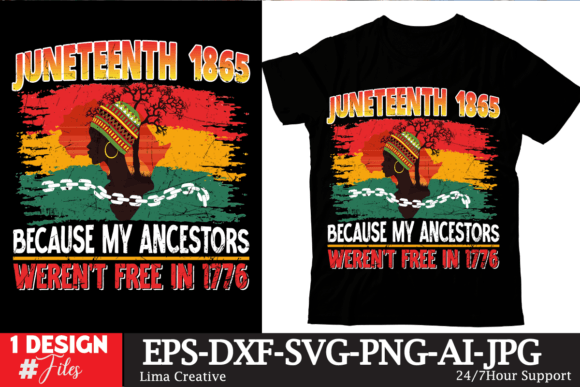
Juneteenth T-Shirt Design: Purposeful Apparel
Creating apparel for Juneteenth requires more than simply placing a date on a cotton canvas. Effective Juneteenth T-shirt design serves as a wearable archive, a conversation starter, and a tangible expression of cultural pride. For creators, educators, and business owners, these garments function as mobile billboards for awareness and celebration. The most successful designs bridge the gap between historical reverence and contemporary aesthetics, ensuring the message resonates with diverse audiences while honoring the gravity of Emancipation Day.
Unlike generic holiday merchandise, this niche demands a nuanced understanding of symbolism, typography, and color theory. When executed correctly, these shirts do not just mark a calendar event; they facilitate community building and educational outreach. Whether you are designing for a corporate DEI initiative, a local community parade, or an independent print-on-demand shop, the goal remains consistent: to create visual narratives that respect the past while engaging the present.
Core Elements of Respectful and Impactful Design
The strength of any Juneteenth T-shirt design lies in its authenticity. Audiences are increasingly savvy and can distinguish between performative graphics and those rooted in genuine cultural appreciation. Several key characteristics define high-quality work in this space.
Symbolism Beyond Clichés
While the Pan-African flag colors (red, black, and green) and the Juneteenth flag (red, white, and blue with a starburst) are foundational, impactful design often goes deeper. Consider incorporating elements like:
- The Sankofa Bird: Representing the importance of learning from the past to build the future.
- Adinkra Symbols: Such as Duafe (wooden comb) symbolizing beauty and feminine qualities, or Nkyinkyim representing initiative and dynamism.
- Historical Typography: Using typefaces that evoke 19th-century broadsheets or hand-painted signage connects the viewer directly to the era of emancipation.
- Botanical Motifs: Cotton flowers, hibiscus, or sunflowers can represent growth, resilience, and the agricultural history tied to the holiday without being reductive.
Intentional Color Palettes
Color communicates emotion before text is even read. While traditional palettes are appropriate, modern Juneteenth T-shirt design frequently explores earth tones, golds, and deep indigos to convey dignity and timelessness. High-contrast neon combinations may grab attention but can sometimes trivialize the subject matter. Testing colorways on different fabric shades is essential, as red and green can vibrate visually on certain backgrounds, reducing readability and aesthetic appeal.
Practical Applications Across Sectors
The utility of thoughtfully designed Juneteenth apparel extends far beyond personal wardrobes. Various professional and community sectors leverage these designs to achieve specific communication goals.
Educational and Non-Profit Outreach
For museums, libraries, and schools, T-shirts act as uniforms that signal safety and approachability during events. A well-designed shirt for a Juneteenth reading circle or history walk transforms staff and volunteers into ambassadors. In this context, legibility is paramount. The design must be readable from a distance, allowing community members to easily identify organizers. Including QR codes linked to educational resources or donation pages turns the garment into an interactive digital tool.
Corporate Culture and DEI Initiatives
Businesses observing Juneteenth often struggle with how to participate authentically. Commissioning Black artists or partnering with Black-owned design studios to create exclusive Juneteenth T-shirt designs demonstrates commitment over commodification. These shirts serve as internal morale boosters and external signals of allyship. However, corporate designs should avoid overly commercial branding. The company logo should be subtle, perhaps placed on the sleeve or nape of the neck, allowing the cultural message to take center stage.
Independent Creators and Small Business
For entrepreneurs, this season represents a significant opportunity, provided it is approached ethically. Successful sellers focus on storytelling in their product descriptions and marketing. Rather than competing on price with mass-market retailers, independent creators compete on meaning. Limited edition runs, artist collaborations, and transparent profit-sharing models (such as donating a percentage to HBCUs or civil rights organizations) add value that justifies premium pricing and builds long-term customer loyalty.
Strategic Benefits of Intentional Apparel
Investing time and resources into high-quality Juneteenth T-shirt design yields returns that transcend immediate sales or event attendance.
Enhanced Communication: Visual shorthand allows complex histories to be acknowledged instantly. A shirt featuring "1865" alongside "Freedom Delayed, Freedom Achieved" communicates a narrative arc that might take paragraphs to explain verbally. This efficiency makes apparel a powerful medium for public education.
Community Cohesion: Matching apparel creates a psychological sense of belonging. At parades, festivals, or family reunions, coordinated designs foster collective identity. This visual unity strengthens social bonds and creates memorable photographic documentation of the event, which further amplifies reach on social media platforms.
Brand Alignment and Trust: For organizations, consistency between stated values and visual output builds trust. When a brand’s Juneteenth merchandise reflects the same level of care and quality as its core products, it reinforces authenticity. Conversely, low-effort clip-art designs can damage reputation by signaling superficial engagement.
Navigating Selection and Implementation
Whether you are commissioning a designer, purchasing for a group, or creating the art yourself, several practical considerations ensure the final product meets expectations.
Evaluating Design Partners
If outsourcing, prioritize designers with demonstrated experience in cultural heritage projects. Review portfolios specifically for Juneteenth or Black History Month work. Ask about their research process. A competent designer should be able to explain the historical significance behind their creative choices. Avoid vendors who offer generic "Black culture" templates; specificity indicates respect and expertise.
Fabric and Print Quality Matters
The message influences the medium. Heavyweight cotton conveys durability and tradition, while tri-blends offer a modern, vintage feel. Direct-to-garment (DTG) printing excels at detailed, full-color illustrations common in contemporary Juneteenth T-shirt design, whereas screen printing provides superior longevity for bold, graphic text-based layouts. Always request physical samples before bulk ordering. Colors on screen rarely match ink on fabric perfectly, and the tactile experience of the shirt affects whether people will actually wear it repeatedly.
Ethical Sourcing and Production
The production chain should align with the holiday's spirit of liberation. Investigate where blanks are sourced and printed. Prioritizing suppliers with fair labor certifications or Black-owned manufacturing partners adds a layer of integrity to the project. Transparency about sourcing can be included in marketing materials, turning the supply chain itself into part of the story.
Timing and Logistics
Juneteenth has a fixed date, but planning must begin months in advance. Design approval, sampling, and production lead times can easily consume eight to twelve weeks. Rush orders compromise quality control and increase costs. Furthermore, consider the post-June lifecycle of the design. Evergreen designs focusing on broader themes of freedom, resilience, and Black excellence remain relevant year-round, maximizing ROI and reducing waste compared to date-specific items that become obsolete on July 1st.
Moving Forward with Purpose
Ultimately, Juneteenth T-shirt design is an exercise in visual stewardship. It requires balancing artistic expression with historical responsibility. By focusing on authentic symbolism, prioritizing quality over quantity, and considering the broader ecosystem of production and consumption, creators and organizations can produce apparel that truly honors the day. The best designs are those worn not just on June 19th, but throughout the year, serving as enduring reminders of resilience, joy, and the ongoing journey toward equity.