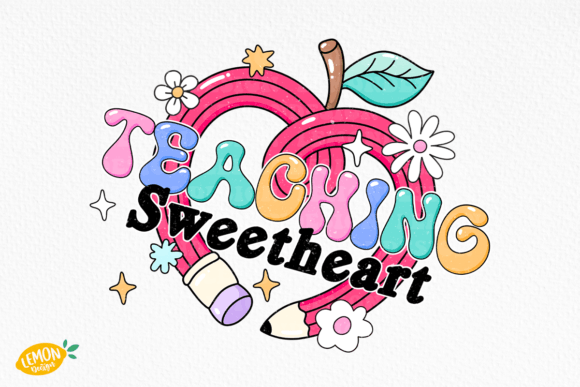
Groovy Teacher PNG Sublimation: Design Tips & Uses
The resurgence of retro aesthetics in educational apparel has created a specific demand for high-quality digital assets, with Groovy Teacher PNG sublimation files emerging as a staple for creators and small business owners. This design style, characterized by wavy typography, vibrant color palettes, and nostalgic 1970s motifs, serves a functional purpose beyond mere decoration. For professionals in the print-on-demand space, educators creating classroom merchandise, or hobbyists personalizing gifts, understanding the technical and practical applications of these files is essential for achieving professional results. The value lies not just in the visual appeal, but in how these pre-formatted digital assets streamline production workflows while maintaining high standards of print quality.
Technical Specifications for Reliable Print Results
When selecting a Groovy Teacher PNG sublimation file, the primary consideration must be technical integrity rather than aesthetic preference alone. Sublimation printing relies on the transfer of dye into polyester fibers or polymer coatings through heat and pressure. Consequently, the source file dictates the ceiling of the final product's quality. A true sublimation-ready PNG should possess a minimum resolution of 300 DPI at the intended print size. Files sourced from general image repositories often lack this density, resulting in pixelation or blurring when scaled to fit adult-sized t-shirts or large tumblers.
Transparency is another non-negotiable feature. Unlike standard JPEGs, a proper Groovy Teacher PNG sublimation asset includes an alpha channel that removes background data entirely. This allows the design to integrate seamlessly with colored substrates without leaving unsightly white boxes or requiring tedious manual editing. However, users must verify transparency before printing. Some files labeled as PNG are actually flattened images with white backgrounds saved in the PNG format. Testing the file in design software like Photoshop, Canva, or Silhouette Studio prior to production prevents wasted ink, paper, and blank garments. Additionally, checking the color profile is vital; while most designs are created in RGB for screen viewing, understanding how those colors convert to CMYK during the printing process helps manage expectations regarding color vibrancy and accuracy.
Streamlining Production Workflows for Small Businesses
For entrepreneurs running Etsy shops or local custom apparel businesses, time efficiency directly correlates to profitability. Creating complex retro lettering and distressed textures from scratch requires significant graphic design expertise and hours of labor. Utilizing a professionally crafted Groovy Teacher PNG sublimation file acts as a force multiplier. It allows business owners to bypass the illustration phase and move directly to customization and fulfillment. This shift enables rapid prototyping of new products and faster turnaround times during peak seasons like back-to-school or teacher appreciation week.
The practical benefit extends to inventory management. Digital assets eliminate the need to stock pre-printed transfers that may become obsolete if trends shift. Instead, creators can maintain a library of versatile groovy designs and print on demand. This flexibility supports a lean business model where capital is tied up only in blanks and consumables. Furthermore, because these PNGs are typically layered or easily editable, sellers can quickly modify text to say "Groovy Math Teacher," "Groovy Nurse," or "Groovy Mom" using the same base artwork. This adaptability maximizes the return on investment for each design purchased, allowing for expansive catalog growth without proportional increases in design costs.
Educational Branding and Classroom Culture
Beyond commercial use, Groovy Teacher PNG sublimation designs serve a meaningful role in educational environments. Teachers increasingly view their classrooms as branded spaces that influence student engagement and emotional safety. The retro, soft-curved aesthetic associated with groovy designs communicates approachability and warmth, contrasting with the sterile institutional feel of traditional school supplies. When educators create matching lanyards, water bottles, or door signs using these assets, they establish a cohesive visual identity that fosters a sense of belonging.
This application is particularly relevant for grade-level teams or department chairs seeking to unify staff appearance without resorting to generic corporate wear. A set of coordinated shirts featuring a Groovy Teacher PNG sublimation design can boost morale and present a united front during open houses or field trips. From a communication standpoint, these designs also function as icebreakers. The nostalgic element often invites positive interactions with parents and older community members who recognize the style, facilitating stronger home-school connections. For administrators supporting staff wellness, providing access to high-quality design resources for spirit wear is a low-cost, high-impact gesture that validates teacher identity and creativity.
Navigating Licensing and Commercial Usage Rights
A critical aspect of working with Groovy Teacher PNG sublimation files that is frequently overlooked is licensing compliance. Not all digital downloads grant the same permissions. Users must distinguish between personal use licenses, which allow for gifts and individual projects, and commercial licenses, which permit the sale of physical products bearing the design. Misunderstanding these terms exposes creators to legal risk and potential shop closures on platforms like Etsy or Amazon Merch.
Responsible usage involves reading the license agreement included with the download. Some designers restrict the number of physical units that can be sold under a standard license, requiring an extended license for higher volumes. Others prohibit the use of the PNG in digital products or print-on-demand services where the file itself might be exposed. Professional creators treat licensing as a business expense and a mark of ethical practice. Supporting original artists through proper licensing ensures the continued creation of high-quality assets and maintains the integrity of the maker community. When comparing options, prioritize vendors who provide clear, written license terms over those offering ambiguous "free for commercial use" claims, as clarity protects your business long-term.
Optimizing Design Placement and Substrate Compatibility
The success of a Groovy Teacher PNG sublimation project depends heavily on matching the design to the appropriate substrate. Retro designs often feature intricate details and gradient colors that behave differently across materials. On 100% polyester white fabrics, colors appear vibrant and true to the screen. However, on poly-blends or heathered fabrics, the ink absorbs less efficiently, resulting in a vintage, muted look. While some creators desire this effect intentionally, others may find it disappointing if unanticipated. Understanding this interaction allows users to select the right garment for their desired outcome.
Placement strategy also varies by product type. The flowing, organic lines typical of groovy typography work exceptionally well on curved surfaces like tumblers and mugs, where the design wraps naturally around the cylinder. Conversely, on flat tote bags or mousepads, the same design may require resizing or the addition of complementary elements to balance negative space. Creators should utilize mockup templates specifically designed for their target products to visualize scale and positioning before printing. This step reduces trial-and-error waste and ensures the final product meets customer expectations. For those new to sublimation, starting with lighter-colored, high-polyester content items provides the most forgiving learning curve when working with detailed retro graphics.
Evaluating Quality Versus Cost in Digital Assets
While free resources exist, investing in premium Groovy Teacher PNG sublimation files often yields better long-term value for serious creators. Free files frequently suffer from lower resolution, improper transparency masking, or limited commercial rights. Premium assets typically undergo rigorous quality control, ensuring clean edges, optimized color profiles, and comprehensive licensing. For business owners, the cost of a $5-$10 high-quality file is negligible compared to the cost of ruined blanks or lost sales due to poor print quality.
However, price does not always equal quality. Buyers should evaluate samples, read reviews regarding file performance, and test purchases before committing to bulk acquisitions. Consider the versatility of the design; a slightly more expensive bundle containing multiple variations and matching clipart offers greater utility than a single standalone image. Ultimately, the goal is to build a reliable asset library that supports consistent production standards. By prioritizing technical excellence and legal compliance over the lowest possible price, creators establish a foundation for sustainable growth and professional reputation in the competitive sublimation market.