Evaluating the Sweet Butterfly T-Shirt Design for Commercial and Personal Use
The intersection of nature-inspired aesthetics and wearable art has created a sustained demand for specific graphic assets, with the sweet butterfly t-shirt design emerging as a notable category within the print-on-demand and apparel decoration sectors. For professionals ranging from Etsy shop owners to freelance graphic designers, understanding the utility of this specific motif goes beyond simple visual appeal. It requires an assessment of technical viability, market saturation, and adaptability across different garment types. The butterfly motif is ubiquitous, but designs categorized specifically as "sweet" occupy a distinct niche that balances nostalgia with contemporary minimalism, making them a unique asset for targeted merchandising strategies.
Defining the Aesthetic and Technical Parameters
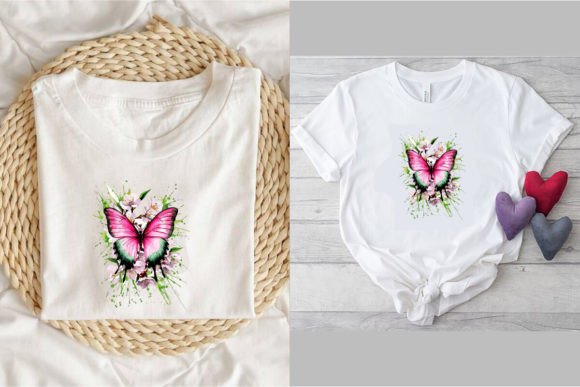
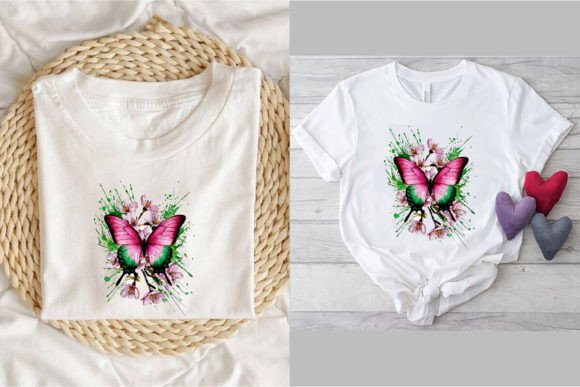
When evaluating a sweet butterfly t-shirt design, it is essential to distinguish it from generic lepidopteran graphics. This specific style typically employs softer color palettes, rounded line work, and often incorporates complementary elements like watercolor textures, floral accents, or vintage typography. From a production standpoint, these characteristics dictate how the file must be prepared. Unlike bold, high-contrast streetwear graphics, sweet butterfly designs often rely on subtle gradients and fine details that can be challenging to reproduce on dark fabrics without significant preprocessing.
For creators and publishers sourcing these assets, the technical specifications are as critical as the artistic merit. A viable design file should ideally be provided in vector format (AI, EPS, or SVG) or as a high-resolution PNG (300 DPI minimum) with a transparent background. Rasterized images with low resolution are generally unsuitable for professional printing, resulting in pixelation that undermines the delicate nature of the aesthetic. Furthermore, the color profile matters significantly; designs created in RGB may shift unexpectedly when converted to CMYK for direct-to-garment (DTG) printing or screen printing. Professionals should verify that the sweet butterfly t-shirt design includes separated color channels or Pantone references if traditional screen printing is the intended output method.
Market Viability and Audience Targeting
The commercial value of butterfly imagery lies in its broad demographic appeal, yet this breadth can also be a liability due to oversaturation. The "sweet" variant performs exceptionally well because it targets specific psychographics rather than just general age groups. Market analysis suggests this aesthetic resonates strongly with three primary segments:
- Cottagecore and Nature Enthusiasts: Consumers aged 20–35 who prioritize sustainability, soft aesthetics, and romanticized rural living. For this group, the design serves as an identity marker.
- Mental Health and Wellness Communities: Butterflies are universally recognized symbols of transformation and resilience. Designs that lean into the "sweet" aesthetic are frequently utilized by therapists, life coaches, and wellness brands to convey empathy and growth without clinical sterility.
- Generational Nostalgia Marketers: Millennials and Gen X consumers often respond to updated vintage motifs. A sweet butterfly design that mimics mid-century illustration styles can bridge the gap between retro appreciation and modern fashion sensibilities.
For entrepreneurs and small business owners, the key to leveraging this asset is differentiation. Simply placing a stock sweet butterfly t-shirt design on a blank tee is rarely sufficient in a competitive marketplace. Success typically comes from integration—combining the graphic with niche-specific copy, customizing the colorway to match seasonal trends, or using the butterfly as part of a larger cohesive brand system rather than a standalone novelty item.
Production Considerations and Material Compatibility
The practical effectiveness of any t-shirt design is ultimately determined by how well it translates from screen to fabric. Sweet butterfly designs present unique challenges and opportunities depending on the chosen decoration method. Direct-to-Garment (DTG) printing is often the preferred method for this aesthetic because it handles complex color blends and semi-transparent edges better than traditional plastisol screen printing. However, DTG requires pretreatment on dark garments, which can sometimes leave a visible box around the design area if the artwork is not optimized with a distressed or feathered edge.
Conversely, heat transfer vinyl (HTV) and sublimation offer different trade-offs. HTV struggles with the intricate internal details common in sweet butterfly illustrations, often requiring simplified silhouettes that lose the original charm. Sublimation, while excellent for all-over prints and vibrant colors, is restricted to polyester substrates. Since many consumers seeking this aesthetic prefer natural fibers like cotton or bamboo blends, sublimation may limit the product's perceived quality and comfort. Therefore, when selecting a sweet butterfly t-shirt design, professionals must align the artwork’s complexity with their available production infrastructure or vendor capabilities.
Fabric texture also plays a role in presentation. Smooth, ring-spun cotton provides the best canvas for detailed butterfly wings, whereas slub or textured fabrics can distort fine lines. Educators and event organizers ordering bulk merchandise should request physical samples before committing to large runs, as digital mockups rarely capture how ink interacts with fabric grain in lighter, pastel-heavy designs.
Licensing, Originality, and Intellectual Property
For freelancers, agencies, and publishers, the legal standing of a design asset is non-negotiable. The butterfly motif itself cannot be copyrighted, but specific artistic interpretations are protected intellectual property. When acquiring a sweet butterfly t-shirt design, users must scrutinize the license agreement. Standard personal-use licenses do not cover commercial merchandising, and even some commercial licenses restrict usage on platforms like Amazon Merch on Demand or Redbubble due to exclusivity clauses.
A significant risk in this niche is unintentional infringement. Because butterfly designs are popular, many assets found on unverified marketplaces are traced copies or AI-generated derivatives of copyrighted works. Using such assets exposes businesses to DMCA takedowns and potential litigation. Professional best practice involves:
- Sourcing only from reputable platforms with vetted contributors.
- Retaining proof of license and creation dates.
- Modifying purchased assets significantly to create a derivative work that stands apart from the original stock file.
- Conducting reverse image searches to ensure the design isn't already saturated or associated with another active trademark.
Originality extends beyond legal compliance; it affects algorithmic visibility. Search engines and marketplace algorithms increasingly penalize duplicate content. A unique adaptation of a sweet butterfly t-shirt design will inherently outperform identical files used by dozens of other sellers.
Assessing Long-Term Value and Versatility
Trends in apparel are cyclical, but certain motifs possess evergreen longevity. The butterfly has maintained relevance for decades, though the stylistic execution evolves. Currently, the "sweet" iteration aligns with broader cultural shifts toward optimism, softness, and biophilic design. However, professionals should evaluate whether a specific design has staying power or is merely riding a micro-trend wave.
Versatility is a strong indicator of long-term ROI. A high-value sweet butterfly t-shirt design should be adaptable across multiple product categories beyond standard tees. Can the central element be isolated for stickers? Does the composition work on tote bags, mugs, or stationery? Is the color palette flexible enough to be recolored for autumn or winter collections without losing its identity? Assets that function as modular components within a design system offer significantly higher lifetime value than single-purpose graphics.
Additionally, consider the scalability of the artwork. Vector-based sweet butterfly designs allow for infinite resizing without quality loss, enabling use on everything from baby onesies to oversized hoodies. Raster designs locked at a specific dimension limit future product expansion. For serious hobbyists transitioning to professional sales, investing in scalable formats early prevents costly redesigns later.
Practical Recommendations for Implementation
Integrating a sweet butterfly t-shirt design into a professional workflow requires strategic planning. Based on industry observation, the following approaches tend to yield the most consistent results:
- Contextual Mockups: Avoid flat, generic mockups. Display the design on lifestyle models in natural lighting to accurately represent the soft aesthetic. The target audience buys a feeling, not just a graphic.
- Color Testing: Pastel and muted tones behave differently on white versus heather gray versus black fabric. Always test print on your intended base colors before listing.
- Narrative Pairing: Enhance the design’s meaning through product descriptions and marketing copy. Connect the butterfly symbolism to relevant themes like new beginnings, creativity, or environmental awareness to deepen customer engagement.
- Seasonal Rotation: While butterflies are spring-associated, sweet designs can extend into summer and fall with appropriate styling. Plan inventory and marketing calendars to maximize the asset’s active selling period.
Ultimately, the decision to utilize a sweet butterfly t-shirt design should be grounded in both aesthetic alignment and operational feasibility. It offers genuine potential for connection and commerce when executed with attention to technical detail, legal integrity, and audience specificity. By treating the design as a strategic business asset rather than mere decoration, professionals can extract meaningful value while contributing positively to the visual landscape of independent apparel.