Evaluating BBQ Tumbler Wraps: A Practical Guide to Material, Fit, and Longevity
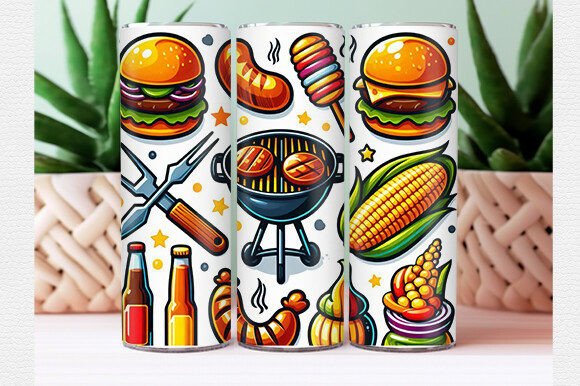
When selecting protective accessories for drinkware used in outdoor cooking environments, the term BBQ tumbler wrap refers to a specialized sleeve designed to insulate, protect, and personalize tumblers exposed to heat, grease, and physical wear. Unlike standard office or gym cup sleeves, these wraps are engineered to withstand the specific rigors of grilling stations, campfire gatherings, and patio dining. For adults comparing options for personal use, event branding, or retail inventory, understanding the functional distinctions between a dedicated BBQ wrap and generic alternatives is essential for making a cost-effective and durable choice.
The primary differentiator of a high-quality BBQ tumbler wrap is its thermal resistance and surface cleanability. While aesthetic appeal often drives initial interest, the practical value lies in how the material interacts with radiant heat from a grill and accidental contact with marinades or sauces. Evaluating these products requires looking beyond graphic design to assess substrate quality, printing methods, and dimensional accuracy. This guide explores the technical and practical factors necessary to distinguish superior options from inadequate substitutes.
Material Composition and Thermal Performance
The core function of any tumbler wrap is insulation, but the requirements shift significantly in a barbecue context. Standard neoprene sleeves, common in beach and gym settings, offer decent condensation control but often lack the density required to buffer against direct radiant heat. When placed on a picnic table near a hot grill, thinner materials can transfer warmth rapidly, defeating the purpose of keeping a beverage cold. Premium BBQ tumbler wraps typically utilize higher-density neoprene (3mm to 5mm) or multi-layered composites that include a reflective thermal barrier.
Beyond insulation, material porosity dictates maintenance. Barbecue environments are inherently messy. Open-cell foams absorb liquids, meaning a splash of BBQ sauce or beer can permanently stain the wrap and create hygiene issues over time. Closed-cell materials or those treated with a hydrophobic coating resist absorption, allowing for quick wipe-downs or machine washing without degradation. When comparing products, verify whether the manufacturer specifies closed-cell construction or stain-resistant treatments. This single factor often determines whether a wrap lasts one season or several years.
Durability Against UV Exposure and Heat Cycles
Outdoor drinkware accessories face prolonged UV exposure that indoor items never encounter. Cheap synthetic fabrics and low-grade adhesives degrade quickly under sunlight, leading to fading, cracking, or delamination. A robust BBQ tumbler wrap should feature UV-stabilized polymers in both the base fabric and the ink layer. Heat cycling—the repeated expansion and contraction caused by moving between coolers and warm ambient air—can also weaken seams. Double-stitched edges with reinforced binding tape generally outperform glued hems in this regard, maintaining structural integrity despite frequent temperature fluctuations.
Comparing Application Methods and Customization Quality
For those sourcing custom wraps for events, businesses, or gifts, the printing method is as critical as the base material. Not all decoration techniques survive the combination of heat, moisture, and friction found in outdoor dining. Understanding these tradeoffs helps avoid disappointment when the final product arrives.
- Dye Sublimation: This is the industry standard for high-performance BBQ tumbler wraps. The ink becomes part of the fabric fiber rather than sitting on top. It offers zero texture change, excellent breathability, and superior resistance to peeling or cracking. Colors remain vibrant even after repeated washing and sun exposure.
- Screen Printing: A cost-effective option for simple, single-color designs. However, the ink layer sits atop the fabric and can feel stiff. In high-heat or high-friction environments, screen-printed graphics may crack over time. This method is best suited for budget-conscious bulk orders where longevity is secondary to immediate visibility.
- Vinyl Heat Transfer: Often used for small batches or personalized names. While versatile, vinyl adds a plastic layer that reduces the fabric’s breathability and can peel at the edges after exposure to grease or alcohol-based cleaners. It is generally less suitable for heavy-duty BBQ use compared to sublimation.
- Direct-to-Film (DTF): An emerging technology offering full-color detail similar to sublimation but with a slightly thicker hand-feel. DTF has improved durability over traditional transfers but still lacks the seamless integration of dye-sub. Evaluate samples specifically for flexibility before committing to large orders for outdoor use.
When evaluating suppliers, request physical samples rather than relying solely on digital proofs. Digital renderings cannot convey texture, stiffness, or color accuracy under natural light. A sample test involving actual washing and heat exposure provides the most reliable data for decision-making.
Fit, Sizing Standards, and Compatibility Issues
A common failure point in purchasing tumbler wraps is assuming universal sizing. The "standard" 20oz or 30oz tumbler dimensions vary significantly between manufacturers. A wrap designed for a tapered YETI-style tumbler may fit loosely on a straight-walled RTIC model, causing slippage and reduced insulation. Conversely, a wrap sized too tightly can be difficult to install and may stretch the print, distorting logos or patterns.
Professional evaluation involves checking three key measurements: top diameter, bottom diameter, and height. Many BBQ tumbler wrap vendors now provide compatibility charts listing specific tumbler brands their products fit. If you are using non-standard or promotional tumblers, measure the actual vessel rather than relying on labeled capacity. Additionally, consider the closure mechanism. Zippered wraps offer adjustable tension and easier removal for cleaning but introduce a mechanical failure point. Slip-on wraps are simpler and more durable but require precise sizing to function correctly. For environments where hygiene is paramount, zippered or velcro options facilitate regular laundering; for rugged field use, seamless slip-ons minimize snag hazards.
Evaluating Tradeoffs: Specialized Wraps vs. Generic Alternatives
Buyers often weigh dedicated BBQ tumbler wraps against cheaper generic koozies or silicone bands. Each category serves different needs, and the right choice depends on usage frequency and environment.
- Generic Neoprene Sleeves: Lower cost and widely available. Suitable for occasional backyard use where exposure to extreme heat or grease is minimal. They lack the specialized coatings and reinforced stitching of premium options, making them disposable in nature.
- Silicone Bands: Excellent grip and dishwasher safe, but poor insulation. Silicone conducts heat rather than blocking it, making these unsuitable for keeping drinks cold near a grill. They excel only in spill prevention and identification.
- Premium BBQ-Specific Wraps: Higher upfront investment justified by extended lifespan and performance. Best for frequent grillers, catering professionals, or corporate events where brand representation must remain pristine despite harsh conditions.
- Hard Shell Insulators: Offer maximum protection and insulation but lack flexibility and customization options. They are bulky to store and transport, making soft wraps preferable for mobile setups like tailgating or camping.
The decision matrix should prioritize your primary pain point. If condensation ruining tables is the issue, any sleeve works. If maintaining beverage temperature within five feet of a 400°F grill is the goal, only insulated, heat-resistant BBQ wraps will suffice. If brand visibility at an outdoor festival is the objective, dye-sublimated wraps offer the best balance of aesthetics and durability.
Maintenance Requirements and Lifecycle Management
Even the best BBQ tumbler wrap requires proper care to maintain functionality. Grease and acidic sauces can break down elastic fibers over time if left untreated. Establishing a cleaning protocol extends product life and ensures food safety. Most high-quality wraps are machine washable on gentle cycles with mild detergent. Avoid bleach and fabric softeners, which degrade neoprene elasticity and water resistance. Air drying is strongly recommended; dryer heat can warp the material and damage prints.
Inspect wraps regularly for signs of wear. Fraying seams, permanent stains, or loss of elasticity indicate end-of-life. Using damaged wraps compromises insulation and presents an unprofessional appearance in commercial settings. Budgeting for periodic replacement is more realistic than expecting indefinite performance. Track wash cycles and visual condition to establish a replacement schedule that aligns with your usage intensity.
Making the Final Selection Based on Use Case
Choosing the right BBQ tumbler wrap ultimately depends on aligning specifications with real-world demands. For personal enthusiasts who grill weekly, investing in a thick, sublimated, closed-cell wrap pays dividends in comfort and longevity. For event planners distributing hundreds of units as giveaways, a lighter-weight screen-printed option may satisfy budget constraints while still providing adequate short-term utility. Commercial caterers should prioritize easy-clean features and standardized sizing to streamline operations.
Avoid marketing claims that promise universal perfection. No single wrap excels in every metric. Instead, identify your top two priorities—whether insulation, cleanliness, branding, or cost—and select the product that optimizes those specific attributes. Request samples, test under actual conditions, and verify sizing against your specific tumblers. This methodical approach prevents buyer’s remorse and ensures the selected accessory genuinely enhances the outdoor dining experience rather than becoming another piece of discarded gear.
By focusing on material science, application suitability, and realistic lifecycle expectations, buyers can navigate the crowded market of drinkware accessories with confidence. The distinction between a novelty item and a functional tool lies in these details. Whether outfitting a personal patio setup or sourcing for a large-scale event, informed evaluation transforms a simple purchase into a long-term solution tailored to the unique challenges of barbecue culture.