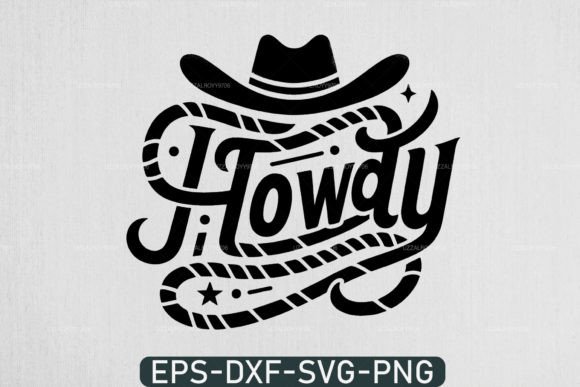
Cowboy and Cowgirl Howdy T-Shirt Design Guide
The phrase "Howdy" carries a specific cultural weight that goes far beyond a simple greeting. When applied to apparel, a Cowboy and Cowgirl Howdy T-Shirt design serves as an immediate signal of hospitality, heritage, and approachability. Unlike generic western graphics that rely solely on silhouettes of horses or cacti, incorporating this specific vernacular creates a connection with the wearer and the observer. For anyone involved in creating, selling, or wearing these designs, understanding the nuance between authentic appreciation and costume parody is the first step toward a successful project.
This niche sits at the intersection of regional pride, vintage nostalgia, and modern fashion trends. Whether you are a graphic designer looking for typography inspiration, a small business owner stocking a boutique, or an educator planning a themed event, the execution of this design concept requires attention to detail. The goal is to produce something that feels respectful and stylish rather than cliché. Achieving this balance depends entirely on who is using the design and for what purpose.
Defining the Aesthetic and Cultural Context
A successful Cowboy and Cowgirl Howdy T-Shirt design is rarely just about the text. It is a composite of typography, illustration style, color palette, and garment choice. Authentic designs often draw from mid-century western wear, rodeo posters, and ranch signage. The lettering might feature hand-painted sign styles, ornate slab serifs, or rustic woodblock textures. Imagery tends to be specific: working ranch gear, floral motifs common in western embroidery, or stylized livestock rather than cartoonish caricatures.
Color plays a significant role in signaling intent. Earth tones, faded indigos, and warm creams suggest authenticity and longevity. Neon colors or high-contrast primary palettes often push the design toward novelty or party wear. Understanding this spectrum allows creators to align their work with the expectations of their specific audience. A design meant for a working ranch hand will look vastly different from one intended for a bachelorette party in Nashville, even if both utilize the same greeting.
Priorities for Creators and Designers
For graphic designers and artists, the primary challenge is originality within a traditional framework. The market is saturated with western aesthetics, so standing out requires a deep dive into historical references rather than surface-level imitation. Designers must prioritize typographic hierarchy and negative space to ensure the word "Howdy" remains legible and impactful.
- Typography Selection: Avoid overused digital fonts. Custom lettering or modified vintage typefaces add value and prevent the design from looking like generic clip art.
- Texture and Aging: Digital perfection can feel sterile in western design. Subtle grain, halftone patterns, or distressed overlays help the graphic sit naturally on fabric.
- Inclusivity in Representation: Modern Cowboy and Cowgirl Howdy T-Shirt design increasingly reflects the diverse history of the American West. Moving beyond monolithic stereotypes to include varied representations adds depth and relevance for contemporary audiences.
Designers should also consider the technical limitations of printing. Intricate details that look beautiful on a screen may be lost in screen printing or direct-to-garment processes. Creating files with clean vectors and separated color channels ensures the final product maintains quality across different production methods.
Considerations for Entrepreneurs and Business Owners
For shop owners and merchandisers, the evaluation criteria shift from pure aesthetics to commercial viability and brand alignment. A Cowboy and Cowgirl Howdy T-Shirt design must resonate with a target demographic while maintaining acceptable profit margins. This involves assessing production costs, garment quality, and perceived value.
Retailers must decide whether they are selling a souvenir or a fashion staple. Souvenir designs can lean into brighter colors and bolder, simpler graphics that read well from a distance. Fashion-forward items require subtler branding, premium fabrics, and fits that align with current trends. Sourcing blanks that match the design’s vibe is crucial; a heavyweight, boxy tee communicates a different message than a fitted, lightweight cotton shirt. Reliability in supply chains and print consistency becomes just as important as the artwork itself when building a long-term product line.
Educational and Community Applications
Educators, camp counselors, and community organizers often utilize western themes for events, field trips, or spirit days. In these contexts, the Cowboy and Cowgirl Howdy T-Shirt design functions as a tool for engagement and group identity. Priorities here differ significantly from retail; cost-effectiveness, speed of delivery, and appropriateness take precedence over high-fashion trends.
When designing for groups, clarity and inclusivity are paramount. The design should be welcoming to all participants regardless of their background or familiarity with western culture. Simplified graphics and readable text ensure the shirts serve their purpose as uniforms or mementos. Bulk ordering often necessitates designs that work well with single-color screen printing to keep budgets manageable. Educators might also use the design process itself as a learning opportunity, involving students in researching local history or regional art styles to inform the final graphic.
Hobbyists and Personal Projects
For individuals making shirts for personal use, family reunions, or gifts, flexibility and ease of use are the main drivers. Hobbyists may not have access to professional vector software or industrial printing equipment. They benefit from designs that are adaptable to iron-on transfers, Cricut machines, or local print shops.
Personal projects allow for hyper-specific customization that commercial products cannot offer. Adding family names, specific dates, or inside jokes to a Cowboy and Cowgirl Howdy T-Shirt design transforms it from a generic garment into a cherished keepsake. Hobbyists should focus on finding editable templates or commissioning artists who understand the sentimental value of the piece. The learning curve for DIY western apparel can be steep, but starting with simpler, bold designs helps build confidence before attempting complex multi-color illustrations.
Evaluating Quality and Long-Term Value
Regardless of your role, determining whether a specific design approach matches your goals requires honest assessment. Ask yourself what the shirt needs to accomplish. Is it meant to last for years of wash cycles, or is it for a single weekend event? Does it need to convey professional expertise or playful enthusiasm?
- Assess the Medium: Will the design be embroidered, screen printed, or digitally applied? Embroidery favors simple, bold shapes, while digital printing handles gradients and fine lines better.
- Check Cultural Resonance: Does the design feel grounded in genuine appreciation? Audiences are increasingly savvy and can distinguish between thoughtful homage and lazy stereotyping.
- Verify Technical Specs: Ensure resolution, color modes, and file formats match the production method to avoid costly reprints or disappointing results.
- Consider Versatility: Can the design be adapted for other merchandise like hats, stickers, or tote bags? Scalable designs offer better long-term value for businesses and creators.
Ultimately, the most effective Cowboy and Cowgirl Howdy T-Shirt design is one that respects its roots while serving the practical needs of its user. By aligning aesthetic choices with specific objectives—whether commercial, educational, or personal—you create apparel that communicates clearly and authentically. Taking the time to understand these distinct perspectives prevents wasted resources and results in a final product that people are genuinely proud to wear.